Phonics Flashcards for Kids
Ready-made phonics flashcards covering the sounds children need to decode words: short and long vowels, consonant digraphs (sh, ch, th), beginning and ending blends, r-controlled vowels, and vowel teams. Each card gives a clear key word, names the sound, and lists more words that share it, with native audio. Spaced repetition schedules the reviews. No printing. Read every card free; one Pro plan opens study with audio on every deck.
All Phonics flashcard sets
Pick the set that fits your goal. Read every card free; Pro unlocks study with native audio on all of them.
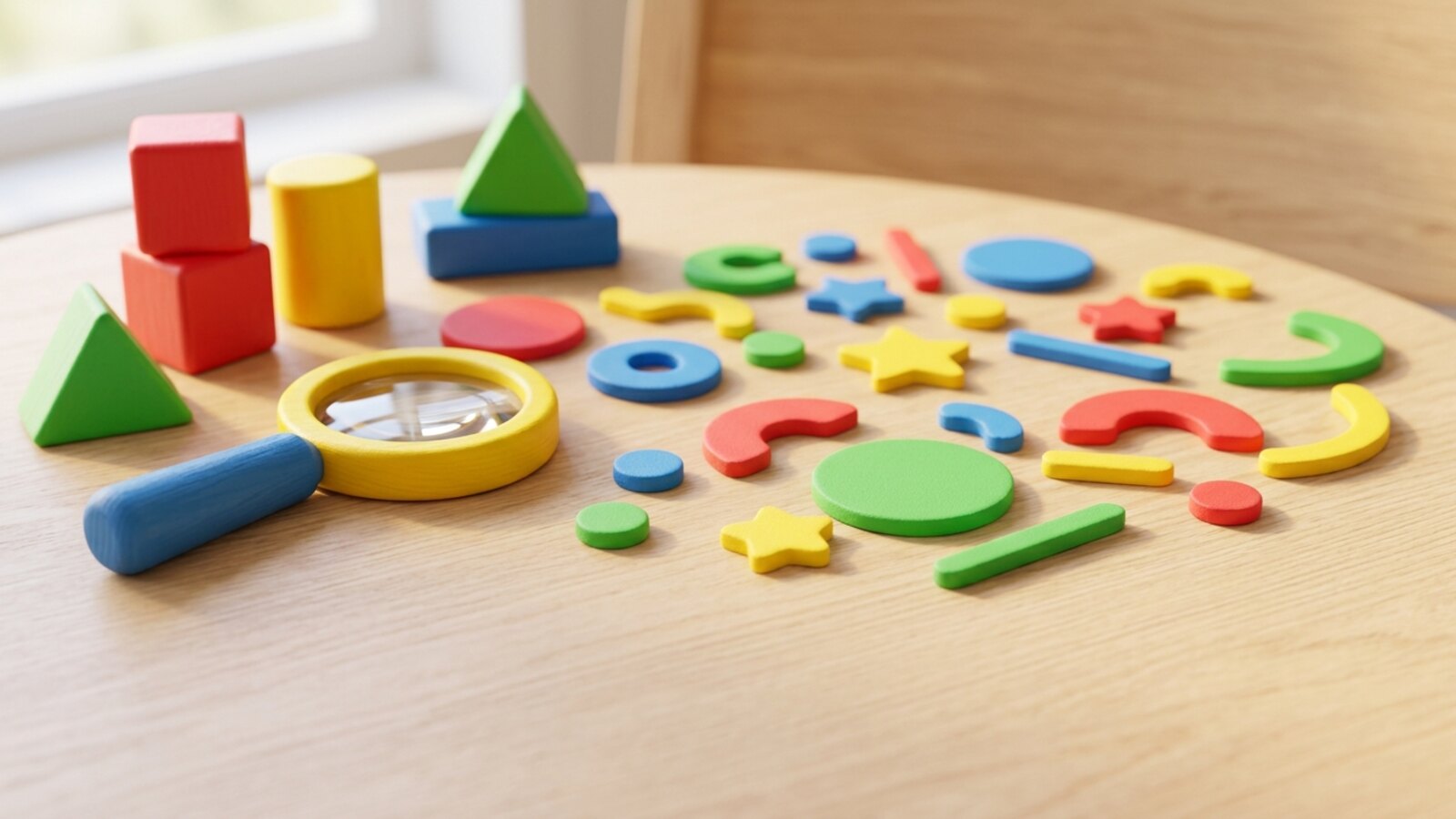
The order phonics is taught in
Phonics is sequenced so each stage only uses sounds a child has already met. Working through it in this order is what stops a child guessing at words.
| Stage | What it covers | Examples | A child can then |
|---|---|---|---|
| Short vowels | The five vowels in their short sound | cat, bed, pig, dog, cup | Sound out simple three-letter words |
| Consonant digraphs | Two letters making one new sound | sh, ch, th, wh, ck | Read ship, chin and that, which letter sounds alone cannot explain |
| Blends | Two consonants each keeping their sound | bl, cr, st at the start; -nd, -mp, -st at the end | Handle longer words like stamp and blend |
| R-controlled vowels | Vowels changed by a following r | ar, er, ir, or, ur | Read car, bird and hurt, which break the short vowel rule |
| Long vowels and silent e | The vowel says its own name | cake, bike, home, cute | See why cap becomes cape |
| Vowel teams | Two vowels working together | ai, ea, oa, ee, oo | Read rain, boat and green |
Phonics and sight words are two different jobs
Phonics teaches decoding: given letters a child has never seen in that order, work out the word. Sight words are the opposite skill, instant recognition of words that either break the rules or appear so often that sounding them out each time is too slow. A child needs both, and confusing them is the usual reason reading practice stalls.
The test for whether phonics is working is not whether a child knows the letter sounds. It is whether they can blend. Plenty of children can say the sounds in c, a and t in order and still not arrive at cat, because holding three sounds in mind while merging them is a separate skill that needs its own practice.
Hearing the sound said properly matters more than it looks. Adults naturally add a vowel to consonants, saying cuh, ah, tuh, and a child blending those gets cuhatuh rather than cat. Every card here is voiced so the sound is modelled cleanly, without the extra vowel.
Keep sessions short and frequent. A few minutes daily beats a long weekend session, because decoding is a skill that builds through repetition rather than through explanation. When a stage feels solid, move on: a child who is still hesitating is still decoding, and another week costs far less than a shaky foundation.
Why these Phonics flashcards
Native-speaker audio
Hear the correct pronunciation on every card, not just a romanization.
No Anki, no setup
Study right here in your browser or on mobile. Nothing to install or configure.
One plan, every deck
Pro covers every language and subject here and in the iPhone app. Cancel anytime.
Preview the flashcards
A free sample drawn from across the Phonics sets — hear every card with native audio in the full deck.
- cat/ short a, /a/ /
- The letter a makes its short sound, /a/, as in cat, hat, and map.
- dog/ short o, /o/ /
- The letter o makes its short sound, /o/, as in dog, hot, and top.
- bike/ long i, /igh/ /
- The letter i says its name, the long sound /igh/, when a silent e follows, as in bike, kite, and time.
- chin/ the /ch/ sound /
- The letters c-h together make one sound, /ch/, as in chin, chip, and lunch.
- blue/ the /bl/ blend /
- The letters b and l blend together at the start, /bl/, as in blue, black, and block.
- plum/ the /pl/ blend /
- The letters p and l blend together at the start, /pl/, as in plum, plan, and play.
- drum/ the /dr/ blend /
- The letters d and r blend together at the start, /dr/, as in drum, drip, and dress.
- truck/ the /tr/ blend /
- The letters t and r blend together at the start, /tr/, as in truck, train, and tree.
- smile/ the /sm/ blend /
- The letters s and m blend together at the start, /sm/, as in smile, small, and smell.
- tent/ the ending /nt/ blend /
- The letters n and t blend together at the end, /nt/, as in tent, ant, and hunt.
- fork/ r-controlled /or/ /
- The letters o and r work together to make the /or/ sound, as in fork, corn, and horn.
- bee/ the ee vowel team, /ee/ /
- The letters e and e together make the long e sound, /ee/, as in bee, tree, and feet.
Frequently asked questions
What phonics sounds do these flashcards cover?
Short and long vowel sounds, consonant digraphs (sh, ch, th, wh, ck), beginning blends (bl, cr, st, and more), ending blends, r-controlled vowels (ar, or, er, ir), and vowel teams (ai, ee, oa, oo). Each is taught with a key word and audio.
What age are phonics flashcards for?
They suit children from Pre-K through second grade who are learning to sound out and decode words, and they pair well with sight words, which cover the irregular words phonics does not.
Do the phonics cards include audio?
Yes. Every card has audio so your child hears the sound and the key word said correctly, with spaced repetition built in. It runs in the browser and on mobile.
Keep learning Phonics
More free guides and decks to get you speaking.