200 Common Korean Phrases
The most common Korean phrases are 안녕하세요 (annyeonghaseyo, hello), 감사합니다 (gamsahamnida, thank you) and 얼마예요? (eolmayeyo, how much?). Below are 200, grouped by topic.
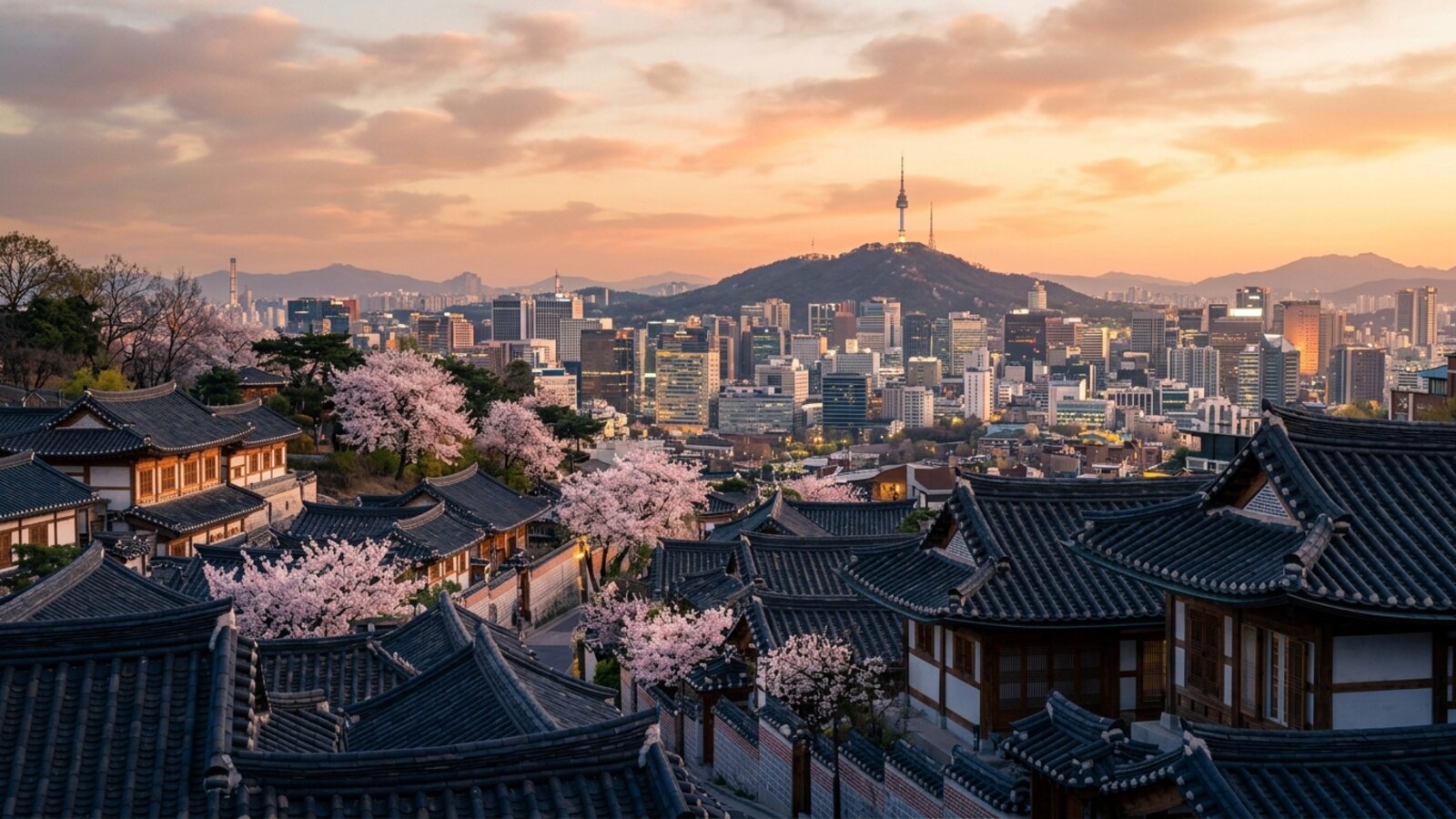
Learn Korean Fast - Master Essential Words and Phrases for Quick Fluency
Master Korean fast with 200 essential flashcards covering Hangul basics, survival words, phrases, food vocabulary, and sentence patterns with Seoul pronunciation guides.
200 cards with audio. Read them all free on the deck page.
See every card in this deckPro
Study this deck with Pro
Every card with text-to-speech audio and a built-in spaced-repetition study system, plus every other deck on the site.
That is $3.33 a month, billed yearly.
Secure checkout by Stripe. Yearly plan starts with a free trial; cancel anytime.
- Every language and subject, all decks
- Text-to-speech audio on every card
- Spaced-repetition study with progress tracking
- iPhone app Premium included: unlimited own-phrase cards and custom subjects
- Cancel anytime from your account
Hear every phrase, not just three
The list below stays free. Pro adds text-to-speech audio on all 200 phrases, an example sentence per card, and a review schedule that brings each one back before you forget it.
Secure checkout by Stripe. Yearly plan starts with a free trial; cancel anytime.
Essential Phrases
| Korean | Pronunciation | Meaning | Listen |
|---|---|---|---|
| 안녕하세요 | annyeonghaseyo | Hello (polite, standard greeting) | |
| 안녕히 가세요 | annyeonghi gaseyo | Goodbye (to someone leaving, said by the one staying) | |
| 안녕히 계세요 | annyeonghi gyeseyo | Goodbye (to someone staying, said by the one leaving) | |
| 감사합니다 | gamsahamnida | Thank you (formal) | |
| 고마워요 | gomawoyo | Thank you (polite, less formal) | |
| 죄송합니다 | joesonghamnida | I'm sorry (formal apology) | |
| 실례합니다 | sillyehamnida | Excuse me (to get attention politely) | |
| 잠시만요 | jamsimanyo | Just a moment, please | |
| 괜찮아요 | gwaenchanayo | It's okay, I'm fine, no worries | |
| 얼마예요 | eolmayeyo | How much is it? | |
| 이거 주세요 | igeo juseyo | Please give me this | |
| 저기요 | jeogiyo | Excuse me (to call a waiter or get attention) | |
| 만나서 반갑습니다 | mannaseo bangapseumnida | Nice to meet you (formal) | |
| 한국어를 못해요 | hangugeo-reul motaeyo | I can't speak Korean | |
| 영어 하세요 | yeongeo haseyo | Do you speak English? | |
| 이해 못 해요 | ihae mot haeyo | I don't understand | |
| 다시 한번 말해 주세요 | dasi hanbeon malhae juseyo | Please say it one more time | |
| 천천히 말해 주세요 | cheoncheonhi malhae juseyo | Please speak slowly | |
| 화장실이 어디예요 | hwajangsiri eodiyeyo | Where is the restroom? | |
| 도와주세요 | dowajuseyo | Please help me | |
| 여기 있어요 | yeogi isseoyo | Here it is / It's here | |
| 몰라요 | mollayo | I don't know | |
| 맞아요 | majayo | That's right, correct | |
| 아니에요 | anieyo | It's not, that's not right / You're welcome (in response to thanks) | |
| 잘 먹겠습니다 | jal meokgesseumnida | I will eat well (said before a meal, like bon appetit) | |
| 잘 먹었습니다 | jal meogeosseumnida | I ate well (said after a meal, expressing gratitude) | |
| 뭐예요 | mwoyeyo | What is it? | |
| 얼마나 걸려요 | eolmana geollyeoyo | How long does it take? | |
| 카드 돼요 | kadeu dwaeyo | Can I use a card? (Do you accept cards?) | |
| 계산해 주세요 | gyesanhae juseyo | The bill, please / Please let me pay | |
| 어디예요 | eodiyeyo | Where is it? | |
| 추천해 주세요 | chucheonhae juseyo | Please recommend something | |
| 사진 찍어도 돼요 | sajin jjigeodo dwaeyo | May I take a photo? | |
| 와이파이 비밀번호가 뭐예요 | waipai bimilbeonhoga mwoyeyo | What is the Wi-Fi password? | |
| 깎아 주세요 | kkakka juseyo | Please give me a discount |
Core Survival Words
| Korean | Pronunciation | Meaning | Listen |
|---|---|---|---|
| 나 | na | I, me (informal) | |
| 너 | neo | you (informal, to peers or younger) | |
| 우리 | uri | we, us, our | |
| 이것 | igeot | this (thing near speaker) | |
| 저것 | jeogeot | that (thing far from both speaker and listener) | |
| 가다 | gada | to go | |
| 오다 | oda | to come | |
| 먹다 | meokda | to eat | |
| 마시다 | masida | to drink | |
| 하다 | hada | to do, to make | |
| 보다 | boda | to see, to watch | |
| 사다 | sada | to buy | |
| 알다 | alda | to know | |
| 모르다 | moreuda | to not know | |
| 있다 | itda | to exist, to have, there is | |
| 없다 | eopda | to not exist, to not have, there is not | |
| 좋다 | jota | to be good, to like | |
| 크다 | keuda | to be big, large | |
| 작다 | jakda | to be small, little | |
| 많다 | manta | to be many, much, a lot | |
| 빠르다 | ppareuda | to be fast, quick | |
| 싸다 | ssada | to be cheap, inexpensive | |
| 비싸다 | bissada | to be expensive | |
| 그리고 | geurigo | and, and then | |
| 하지만 | hajiman | but, however | |
| 그래서 | geuraeseo | so, therefore | |
| 네 | ne | yes (polite) | |
| 아니요 | aniyo | no (polite) | |
| 주다 | juda | to give | |
| 싶다 | sipda | to want (used with verb stems: -고 싶다) |
Food and Dining
| Korean | Pronunciation | Meaning | Listen |
|---|---|---|---|
| 비빔밥 | bibimbap | Bibimbap - mixed rice bowl with vegetables, meat, egg, and gochujang sauce | |
| 김치 | gimchi | Kimchi - fermented spicy cabbage, served with every Korean meal | |
| 불고기 | bulgogi | Bulgogi - marinated grilled beef | |
| 삼겹살 | samgyeopsal | Samgyeopsal - grilled pork belly, popular Korean BBQ item | |
| 떡볶이 | tteokbokki | Tteokbokki - spicy stir-fried rice cakes, popular street food | |
| 냉면 | naengmyeon | Naengmyeon - cold buckwheat noodles, refreshing summer dish | |
| 김밥 | gimbap | Gimbap - Korean rice roll wrapped in seaweed with fillings | |
| 라면 | ramyeon | Ramyeon - Korean instant noodles, spicier than Japanese ramen | |
| 치킨 | chikin | Chicken - Korean fried chicken, extremely popular | |
| 소주 | soju | Soju - Korean distilled spirit, most popular alcoholic drink | |
| 맥주 | maekju | Beer | |
| 커피 | keopi | Coffee | |
| 물 | mul | Water | |
| 밥 | bap | Rice, meal (also used to mean 'food' in general) | |
| 맛있어요 | masisseoyo | It's delicious | |
| 맵다 | maepda | To be spicy | |
| 배고파요 | baegopayo | I'm hungry | |
| 배불러요 | baebulleoyo | I'm full | |
| 메뉴판 주세요 | menyupan juseyo | Please give me the menu | |
| 주문할게요 | jumunhalgeyo | I'd like to order | |
| 포장해 주세요 | pojanghae juseyo | Please wrap it to go / Takeout, please | |
| 된장찌개 | doenjang-jjigae | Doenjang-jjigae - fermented soybean paste stew | |
| 김치찌개 | gimchi-jjigae | Kimchi-jjigae - kimchi stew with pork and tofu | |
| 삼계탕 | samgyetang | Samgyetang - ginseng chicken soup, traditional Korean health food | |
| 반찬 | banchan | Side dishes (small plates served free with Korean meals) |
Social and Relationship
| Korean | Pronunciation | Meaning | Listen |
|---|---|---|---|
| 어머니 | eomeoni | Mother (respectful) | |
| 아버지 | abeoji | Father (respectful) | |
| 엄마 | eomma | Mom (informal, casual) | |
| 아빠 | appa | Dad (informal, casual) | |
| 형 | hyeong | Older brother (used by males) | |
| 오빠 | oppa | Older brother (used by females), also used for older boyfriend or close older male | |
| 누나 | nuna | Older sister (used by males) | |
| 언니 | eonni | Older sister (used by females) | |
| 친구 | chingu | Friend (specifically someone your same age) | |
| 선생님 | seonsaengnim | Teacher, also used as a respectful title for professionals | |
| 몇 살이에요 | myeot sarieyo | How old are you? (polite) | |
| 이름이 뭐예요 | ireumi mwoyeyo | What is your name? (polite) | |
| 어디에서 왔어요 | eodieseo wasseoyo | Where are you from? | |
| 직업이 뭐예요 | jigeobi mwoyeyo | What is your job? What do you do for work? | |
| 결혼했어요 | gyeolhonhaesseoyo | Are you married? / I'm married | |
| 전화번호가 뭐예요 | jeonhwabeonhoga mwoyeyo | What is your phone number? | |
| 같이 밥 먹을래요 | gachi bap meogeullaeyo | Do you want to eat together? | |
| 재미있어요 | jaemiisseoyo | It's fun, it's interesting | |
| 축하해요 | chukahaeyo | Congratulations | |
| 보고 싶어요 | bogo sipeoyo | I miss you | |
| 수고하셨습니다 | sugohasyeosseumnida | You worked hard / Good job (said to someone after work or effort) | |
| 사랑해요 | saranghaeyo | I love you | |
| 잘 지내요 | jal jinaeyo | How are you? / I'm doing well | |
| 한국어 잘하시네요 | hangugeo jalhasineyo | You speak Korean well! (compliment) | |
| 연락할게요 | yeollakhalgeyo | I'll contact you / I'll be in touch |
Sentence Patterns
| Korean | Pronunciation | Meaning | Listen |
|---|---|---|---|
| 저는 학생이에요 | jeoneun haksaengieyo | I am a student. (Pattern: noun + 이에요/예요 = is/am/are) | |
| 서울에 가고 싶어요 | seoure gago sipeoyo | I want to go to Seoul. (Pattern: verb stem + -고 싶다 = want to do) | |
| 한국어를 공부해요 | hangugeoreul gongbuhaeyo | I study Korean. (Pattern: noun + 을/를 = object particle marking what receives the action) | |
| 카페에서 커피를 마셔요 | kapeseo keopireul masyeoyo | I drink coffee at a cafe. (Pattern: place + 에서 = at/in a place where action happens) | |
| 비행기로 가요 | bihaenggiro gayo | I go by airplane. (Pattern: noun + (으)로 = by means of, using) | |
| 친구하고 같이 가요 | chinguhago gachi gayo | I go together with a friend. (Pattern: noun + 하고 = with, and) | |
| 어제 영화를 봤어요 | eoje yeonghwareul bwasseoyo | I watched a movie yesterday. (Pattern: verb stem + -았/었어요 = past tense polite) | |
| 내일 서울에 갈 거예요 | naeil seoure gal geoyeyo | I will go to Seoul tomorrow. (Pattern: verb stem + -(으)ㄹ 거예요 = future tense, going to) | |
| 지금 밥을 먹고 있어요 | jigeum babeul meokgo isseoyo | I am eating right now. (Pattern: verb stem + -고 있다 = progressive, currently doing) | |
| 김치를 먹을 수 있어요 | gimchireul meogeul su isseoyo | I can eat kimchi. (Pattern: verb stem + -(으)ㄹ 수 있다 = can, able to) | |
| 매운 음식을 못 먹어요 | maeun eumsigeul mot meogeoyo | I can't eat spicy food. (Pattern: 못 + verb = cannot do, unable to) | |
| 학교에 가기 전에 밥을 먹어요 | hakgyoe gagi jeone babeul meogeoyo | I eat before going to school. (Pattern: verb stem + -기 전에 = before doing) | |
| 밥을 먹은 후에 커피를 마셔요 | babeul meogeun hue keopireul masyeoyo | I drink coffee after eating. (Pattern: verb stem + -(으)ㄴ 후에 = after doing) | |
| 비가 오니까 우산을 가져가세요 | biga onikka usaneul gajyeogaseyo | Since it's raining, take an umbrella. (Pattern: verb stem + -(으)니까 = because, since - gives reason for a suggestion) | |
| 시간이 없어서 못 갔어요 | siganieopseoseo mot gasseoyo | I couldn't go because I had no time. (Pattern: verb stem + -아/어서 = because, so - states reason for a fact) | |
| 같이 영화 볼까요 | gachi yeonghwa bolkkayo | Shall we watch a movie together? (Pattern: verb stem + -(으)ㄹ까요 = shall we, suggestion) | |
| 여기 앉아도 돼요 | yeogi anjado dwaeyo | May I sit here? / It's okay to sit here. (Pattern: verb stem + -아/어도 되다 = may, it's okay to) | |
| 여기서 담배를 피우면 안 돼요 | yeogiseo dambaereul piumyeon an dwaeyo | You must not smoke here. (Pattern: verb stem + -(으)면 안 되다 = must not, not allowed to) | |
| 매일 운동해야 해요 | maeil undonghaeya haeyo | I have to exercise every day. (Pattern: verb stem + -아/어야 하다 = have to, must) | |
| 이 식당은 비빔밥이 맛있는 것 같아요 | i sikdangeun bibimbabi masinneun geot gatayo | I think the bibimbap at this restaurant is delicious. (Pattern: verb/adj + -(으)ㄴ/는 것 같다 = I think, it seems like) | |
| 서울에 가 본 적이 있어요 | seoure ga bon jeogi isseoyo | I have been to Seoul before. (Pattern: verb stem + -(으)ㄴ 적이 있다 = have the experience of doing) | |
| 한국에 간 지 일 년 됐어요 | hanguge gan ji il nyeon dwaesseoyo | It has been one year since I went to Korea. (Pattern: verb stem + -(으)ㄴ 지 + time + 되다 = it has been ... since) | |
| 날씨가 추워지고 있어요 | nalssiga chuwojigo isseoyo | The weather is getting cold. (Pattern: adj stem + -아/어지다 = to become, to get) | |
| 비가 오면 집에 있을 거예요 | biga omyeon jibe isseul geoyeyo | If it rains, I will stay home. (Pattern: verb stem + -(으)면 = if, when) | |
| 한국 음식을 좋아하는데 매운 건 못 먹어요 | hanguk eumsigeul joahaneunde maeun geon mot meogeoyo | I like Korean food, but I can't eat spicy things. (Pattern: verb stem + -는데 = but, and/however - connects contrasting or background information) |
Numbers, Time and Money
| Korean | Pronunciation | Meaning | Listen |
|---|---|---|---|
| 일 | il | One (Sino-Korean number, used for dates, money, phone numbers) | |
| 이 | i | Two (Sino-Korean number) | |
| 삼 | sam | Three (Sino-Korean number) | |
| 사 | sa | Four (Sino-Korean number) | |
| 오 | o | Five (Sino-Korean number) | |
| 십 | sip | Ten (Sino-Korean number) | |
| 백 | baek | One hundred (Sino-Korean number) | |
| 천 | cheon | One thousand (Sino-Korean number) | |
| 만 | man | Ten thousand (Sino-Korean number) | |
| 하나 | hana | One (Native Korean number, used for counting objects, age, hours) | |
| 둘 | dul | Two (Native Korean number) | |
| 셋 | set | Three (Native Korean number) | |
| 넷 | net | Four (Native Korean number) | |
| 다섯 | daseot | Five (Native Korean number) | |
| 오늘 | oneul | Today | |
| 내일 | naeil | Tomorrow | |
| 어제 | eoje | Yesterday | |
| 지금 | jigeum | Now, right now | |
| 원 | won | Won (Korean currency unit) | |
| 이번 주 | ibeon ju | This week |
Hangul and Pronunciation
| Korean | Pronunciation | Meaning | Listen |
|---|---|---|---|
| ㅏ | a | Vowel 'a' - sounds like 'ah' in 'father' | |
| ㅓ | eo | Vowel 'eo' - sounds like 'uh' in 'cup' | |
| ㅗ | o | Vowel 'o' - sounds like 'o' in 'go' but with rounded lips | |
| ㅜ | u | Vowel 'u' - sounds like 'oo' in 'moon' | |
| ㅡ | eu | Vowel 'eu' - no English equivalent; spread lips and say 'oo' | |
| ㅣ | i | Vowel 'i' - sounds like 'ee' in 'see' | |
| ㄱ | g / k | Consonant 'g/k' - sounds like 'g' at start of word, 'k' at end | |
| ㄴ | n | Consonant 'n' - sounds like 'n' in 'no' | |
| ㄷ | d / t | Consonant 'd/t' - sounds like 'd' at start, 't' at end | |
| ㅂ | b / p | Consonant 'b/p' - sounds like 'b' at start, 'p' at end | |
| ㅅ | s | Consonant 's' - sounds like 's' in 'sun', becomes 'sh' before 'i' | |
| ㅈ | j | Consonant 'j' - sounds like 'j' in 'just' | |
| ㅎ | h | Consonant 'h' - sounds like 'h' in 'hat' | |
| ㅁ | m | Consonant 'm' - sounds like 'm' in 'mom' | |
| ㄹ | r / l | Consonant 'r/l' - flapped 'r' between vowels, 'l' at end of syllable |
Directions and Transport
| Korean | Pronunciation | Meaning | Listen |
|---|---|---|---|
| 왼쪽 | oenjjok | Left side | |
| 오른쪽 | oreunjjok | Right side | |
| 직진 | jikjin | Go straight | |
| 지하철 | jihacheol | Subway | |
| 버스 | beoseu | Bus | |
| 택시 | taeksi | Taxi | |
| 역 | yeok | Station (subway or train) | |
| 공항 | gonghang | Airport | |
| 여기 | yeogi | Here, this place | |
| 거기 | geogi | There, that place | |
| 가까워요 | gakkawoyo | It's close, it's nearby | |
| 멀어요 | meoreoyo | It's far | |
| 내리다 | naerida | To get off (bus, subway, taxi) | |
| 타다 | tada | To ride, to get on (bus, subway, taxi) | |
| 갈아타다 | garatada | To transfer (change buses or subway lines) |
Emergency and Health
| Korean | Pronunciation | Meaning | Listen |
|---|---|---|---|
| 아파요 | apayo | It hurts / I'm sick | |
| 병원 | byeongwon | Hospital | |
| 약국 | yakguk | Pharmacy | |
| 경찰 | gyeongchal | Police | |
| 위험해요 | wiheomhaeyo | It's dangerous | |
| 불이야 | buriya | Fire! (emergency shout) | |
| 구급차 | gugeupcha | Ambulance | |
| 알레르기가 있어요 | allereugi-ga isseoyo | I have an allergy | |
| 약 | yak | Medicine | |
| 살려 주세요 | sallyeo juseyo | Save me! Help! (life-threatening emergency) |
Frequently asked questions
Do I need to read Hangul before using these?
No. Hangul is an alphabet and each symbol maps to a sound. Most people learn it in a day. Every phrase here shows the Korean with a romanized pronunciation, so you can start either way.
How polite are these Korean phrases?
Most sit in the polite form ending in yo. Use it with strangers and colleagues and anyone older than you. It is the safe default. Close friends of the same age drop the ending.
Is this a subscription?
The list on this page is free, and so is reading every card in the deck. Study mode with audio on every card is part of SubjectCards Pro, one plan for every deck on the site.
Keep learning Korean
More free guides and decks to get you speaking.