Construction Spanish: 32 Job Site Phrases
Start with three phrases: ¡cuidado! (kwee-DAH-doh, careful), ¿me entiendes? (meh en-TYEN-dehs, do you understand me?) and tráeme, por favor (TRAH-eh-meh, por fah-BOR, bring me, please). Below are 32 phrases, grouped in the order of a work day, from the morning greeting to tools, instructions, safety words and the end of the day. The cards include what your crew will say back. They use Latin American Spanish, mostly Mexican, with notes where Spain differs.
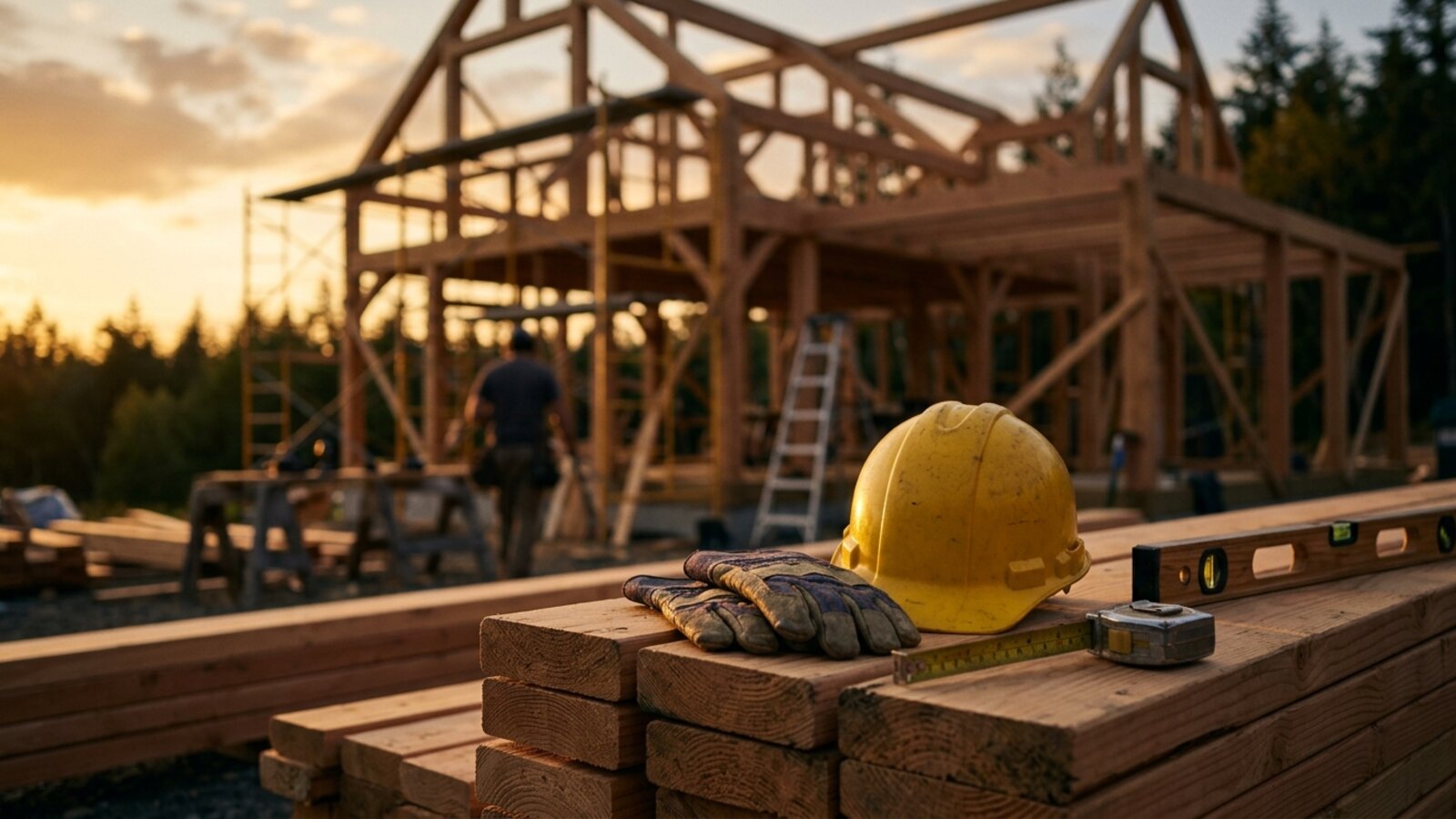
Construction Spanish Phrases for the Job Site
Teaches the Spanish words and phrases you need on a US job site, from the morning greeting and tool names to instructions, safety words, breaks and the replies your crew will say. It uses Latin American Spanish, mostly Mexican, with usted, and notes where Spain differs.
32 cards with audio. Read them all free on the deck page.
See every card in this deckPro
Study this deck with Pro
Every card with text-to-speech audio and a built-in spaced-repetition study system, plus every other deck on the site.
That is $3.33 a month, billed yearly.
Secure checkout by Stripe. Yearly plan starts with a free trial; cancel anytime.
- Every language and subject, all decks
- Text-to-speech audio on every card
- Spaced-repetition study with progress tracking
- iPhone app Premium included: unlimited own-phrase cards and custom subjects
- Cancel anytime from your account
Hear every phrase, not just three
The list below stays free. Pro adds text-to-speech audio on all 32 phrases, an example sentence per card, and a review schedule that brings each one back before you forget it.
Secure checkout by Stripe. Yearly plan starts with a free trial; cancel anytime.
Start the Day
| Spanish | Pronunciation | Meaning | Listen |
|---|---|---|---|
| Buenos días. | BWEH-nohs DEE-ahs | Good morning. The greeting for the crew when you arrive, until about noon. After noon say Buenas tardes. | |
| ¿Dónde está el encargado? | DOHN-deh es-TAH el en-kar-GAH-doh | Where is the person in charge? El encargado is the crew lead or foreman. You may also hear el capataz or el jefe. | |
| Hoy vamos a trabajar en el segundo piso. | oy BAH-mohs ah trah-bah-HAR en el seh-GOON-doh PEE-soh | Today we are going to work on the second floor. Use it to set the plan in the morning. Swap in el techo (the roof) or el sótano (the basement). In Spain a floor of a building is often la planta. |
Tools and Materials
| Spanish | Pronunciation | Meaning | Listen |
|---|---|---|---|
| el martillo | el mar-TEE-yoh | the hammer | |
| el taladro | el tah-LAH-droh | the drill | |
| la escalera | lah es-kah-LEH-rah | the ladder. The same word also means stairs, so the context tells you which one. | |
| la cinta métrica | lah SEEN-tah MEH-tree-kah | the tape measure. In Mexico you will often hear el flexómetro, or just la cinta. | |
| la cubeta | lah koo-BEH-tah | the bucket. This is the Mexican word. Many other countries say el balde, and in Spain it is el cubo. | |
| el concreto | el kohn-KREH-toh | concrete. Used across Latin America. In Spain concrete is el hormigón. La mezcla is the mix, often mortar. | |
| el andamio | el ahn-DAH-myoh | the scaffolding, or one scaffold | |
| la troca | lah TROH-kah | the pickup truck. La troca comes from the English word truck and is the usual word on US job sites. Elsewhere it is la camioneta. A big truck is el camión. |
Giving and Checking Instructions
| Spanish | Pronunciation | Meaning | Listen |
|---|---|---|---|
| Mide de aquí a la pared. | MEE-deh deh ah-KEE ah lah pah-RED | Measure from here to the wall. Mide is the tú form crews use with each other. The polite usted form is mida. | |
| Corta aquí. | KOR-tah ah-KEE | Cut here. Point at the mark as you say it. The usted form is corte aquí. | |
| Sostenga esto, por favor. | sohs-TEN-gah ES-toh, por fah-BOR | Hold this, please. In Mexico you will also hear agárrelo, hold it or grab it. The tú form is sostén esto. | |
| Tráeme más clavos, por favor. | TRAH-eh-meh mahs KLAH-bohs, por fah-BOR | Bring me more nails, please. Swap in any item: tornillos (screws). For one thing, drop más: tráeme la escalera. The usted form is tráigame. | |
| ¿Cuánto mide? | KWAHN-toh MEE-deh | How long is it? Ask it after someone measures. You will hear the answer in feet and inches, pies and pulgadas, on most US sites. | |
| Así está bien. | ah-SEE es-TAH byen | That is fine like that. Say it when the work is right and they can stop adjusting. | |
| ¿Me entiendes? | meh en-TYEN-dehs | Do you understand me? The tú form crews use. The usted form is ¿me entiende? Ask it after an instruction, not to test someone. |
Safety Words
| Spanish | Pronunciation | Meaning | Listen |
|---|---|---|---|
| ¡Cuidado! | kwee-DAH-doh | Careful, or watch out. Understood everywhere Spanish is spoken. | |
| ¡Aguas! | AH-gwahs | Watch out. Mexican slang that you will hear on many US job sites, often shouted. Outside Mexico people may not know it, so ¡cuidado! is the safer word for you to say. | |
| el casco | el KAHS-koh | the hard hat | |
| el arnés | el ar-NES | the harness | |
| los lentes de seguridad | lohs LEN-tes deh seh-goo-ree-DAHD | the safety glasses. Lentes is the usual word in Mexico and Central America. In Spain they are las gafas de seguridad. | |
| ¿Te lastimaste? | teh lahs-tee-MAHS-teh | Did you get hurt? The tú form crews use. The usted form is ¿se lastimó? In Spain people say ¿te has hecho daño? |
Breaks and End of Day
| Spanish | Pronunciation | Meaning | Listen |
|---|---|---|---|
| Vamos a tomar un descanso. | BAH-mohs ah toh-MAR oon des-KAHN-soh | Let's take a break. Say it to the whole crew. Many US crews also just say un break. | |
| Ya es hora de comer. | yah es OH-rah deh koh-MER | It is time to eat now. In Mexico the midday meal is la comida. Many US crews call lunch el lonche. | |
| Toma agua. | TOH-mah AH-gwah | Drink water. Said to one worker. To the whole crew, say tomen agua. Tomar is the usual verb for drinking in Latin America and is common in Spain too. | |
| Ya terminamos por hoy. | yah ter-mee-NAH-mohs por oy | We are done for today. |
What You'll Hear
| Spanish | Pronunciation | Meaning | Listen |
|---|---|---|---|
| Órale. | OH-rah-leh | OK, or let's go. A worker says it to agree to an instruction. Mexican, and very common. It can also show surprise, like wow. | |
| Ya mero. | yah MEH-roh | Almost, nearly done. A worker says it when you ask if a job is finished. Mexican. Other speakers say ya casi. | |
| Se nos acabaron los clavos. | seh nohs ah-kah-BAH-rohn lohs KLAH-bohs | We ran out of nails. A worker says it when a material runs out. Swap in any item: se nos acabó el concreto (we ran out of concrete). | |
| ¿Dónde lo pongo? | DOHN-deh loh POHN-goh | Where do I put it? A worker asks this when they bring you something. Answer with aquí (here) or allá (over there). |
Frequently asked questions
Should I use tú or usted with my crew?
Start with usted. It is polite, and nobody takes offense. Many crews use tú with each other, so switch when the crew does. These cards use usted and give the tú form in the notes.
Is job site Spanish in the US different from Spain Spanish?
Yes, for some words. Most crews in the US speak Mexican or Central American Spanish. Concrete is concreto, not hormigón, and a bucket is cubeta, not cubo. The card audio uses a Spain Spanish voice, so a few sounds differ, such as the c in cinta.
Can these cards replace safety training?
No. They teach the words, such as casco (hard hat) and arnés (harness). Safety training comes from your employer, in a language each worker understands.
Keep learning Spanish
More free guides and decks to get you speaking.