Japanese Flashcards
Ready-made Japanese flashcard decks with native-speaker audio and a built-in spaced-repetition study system. No Anki setup. Read every card free; one Pro plan opens study with native audio on every set.
All Japanese flashcard sets
Pick the set that fits your goal. Read every card free; Pro unlocks study with native audio on all of them.
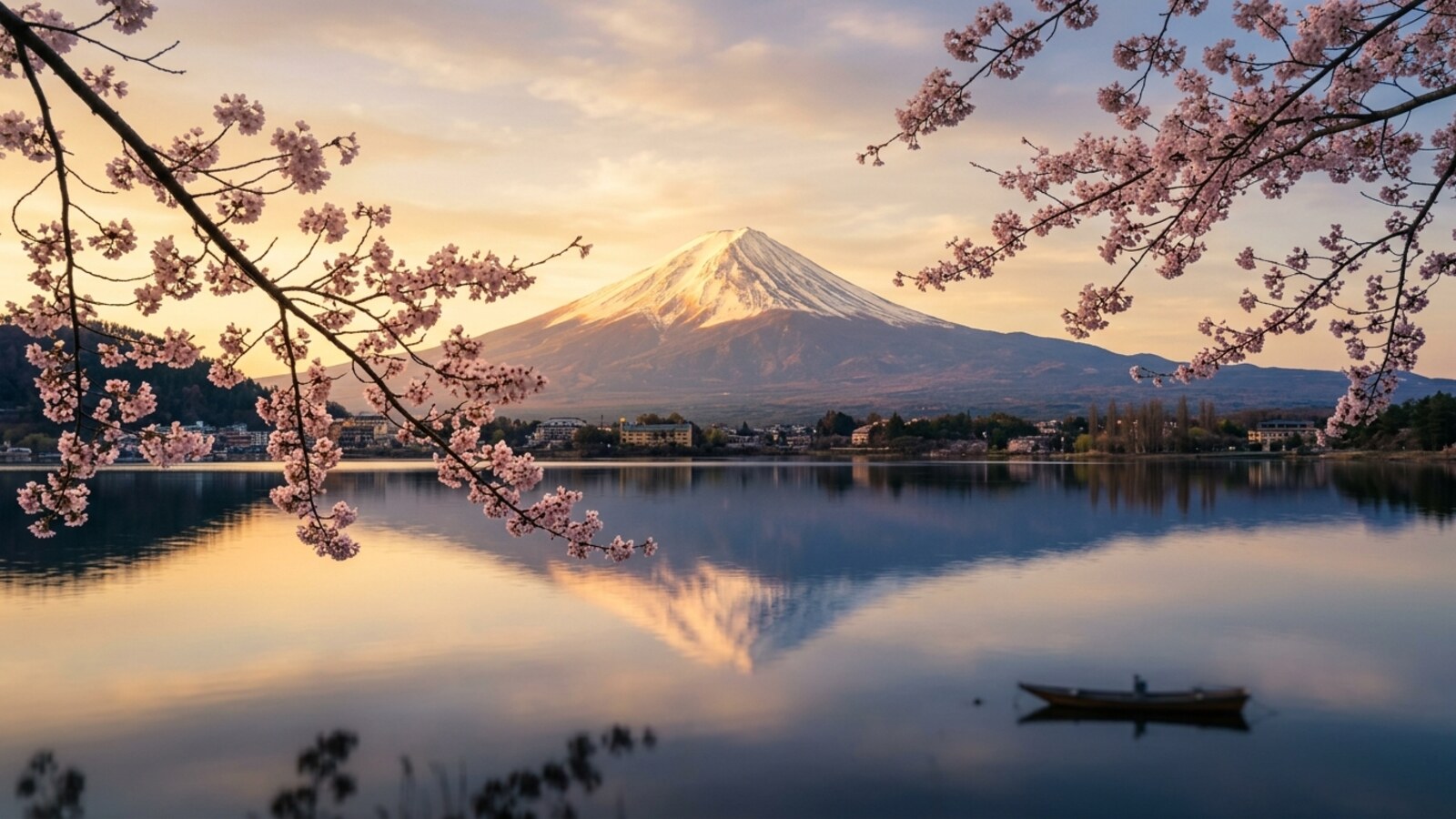
Learn Japanese Fast - Master Essential Words and Phrases for Quick Fluency
The highest-frequency Japanese a beginner needs first — greetings, pronouns, core verbs and adjectives, question words, numbers, time words, everyday nouns, and ready-to-use sentences, each with natural Japanese, romaji pronunciation, an example, and native-speaker audio.
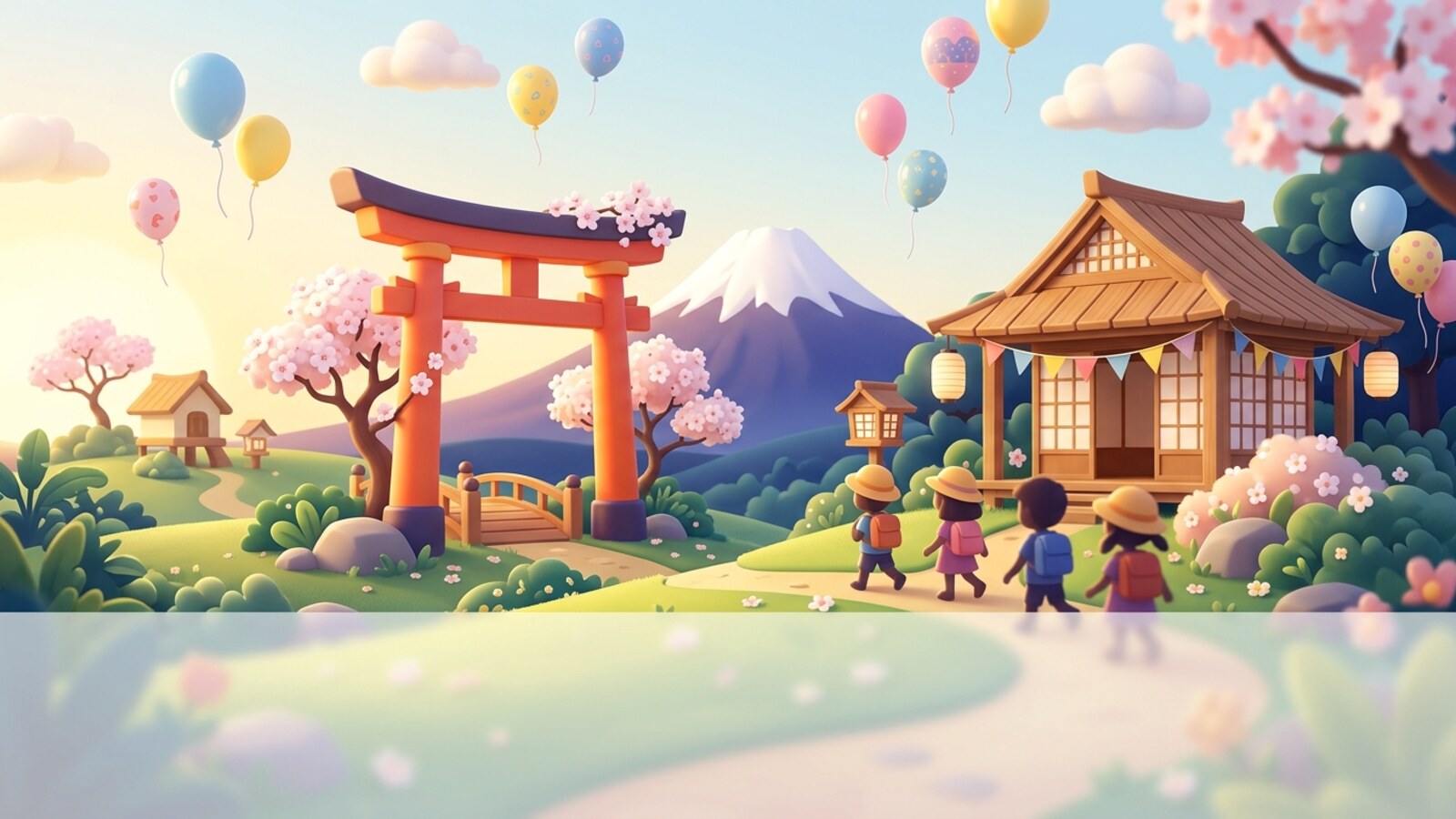
Japanese for Kids - First 100 Essential Words
The first Japanese words every child learns — family, body, numbers, colors, food, animals, everyday objects, actions, and nature — each with natural Japanese, romaji pronunciation, a simple example sentence, and native-speaker audio.
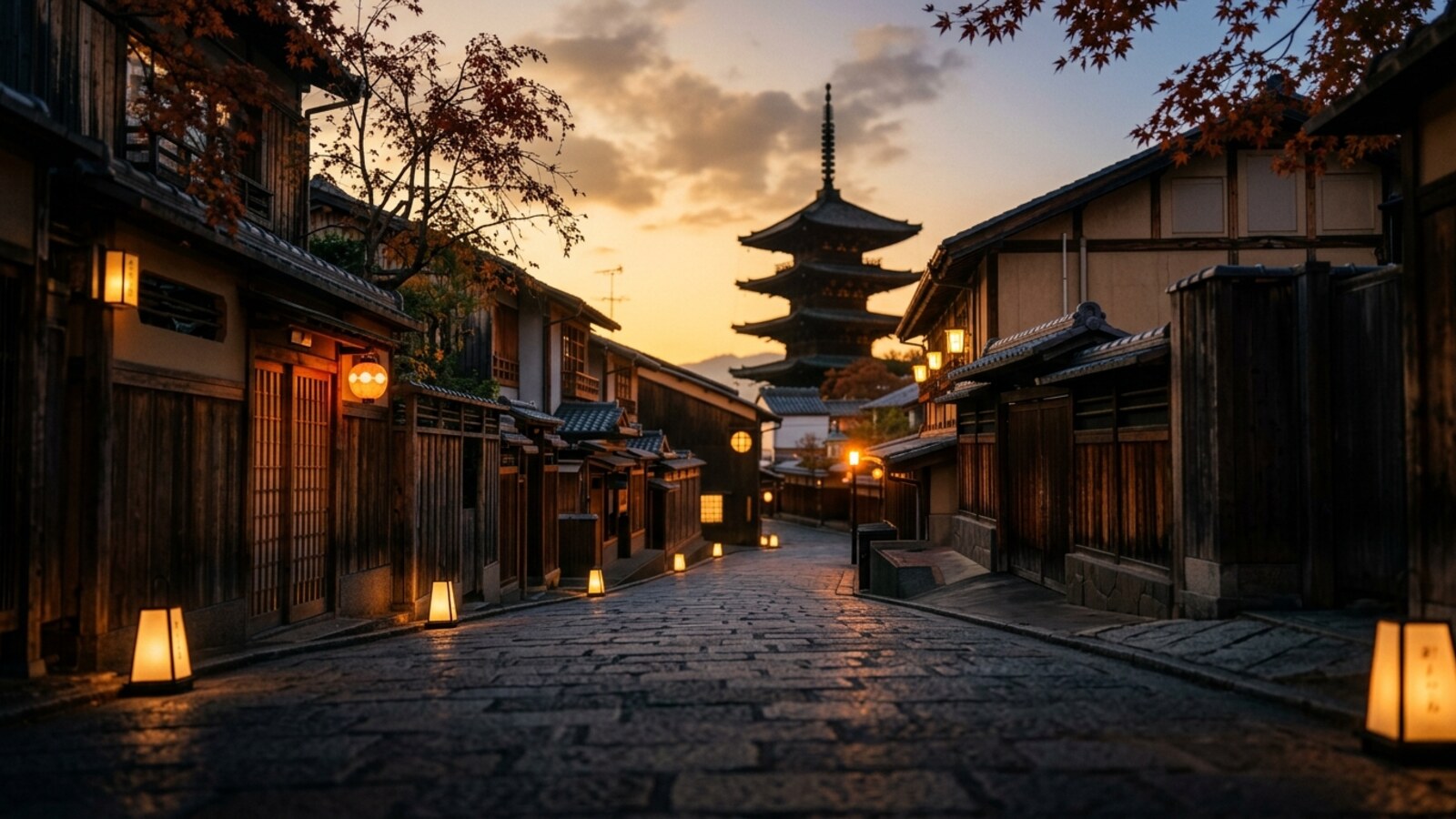
Essential Japanese Travel Phrases
The Japanese phrases travelers use most — greetings, getting around, ordering food, shopping, numbers, and emergencies — each with natural Japanese, romaji pronunciation, a usage example, and native-speaker audio.
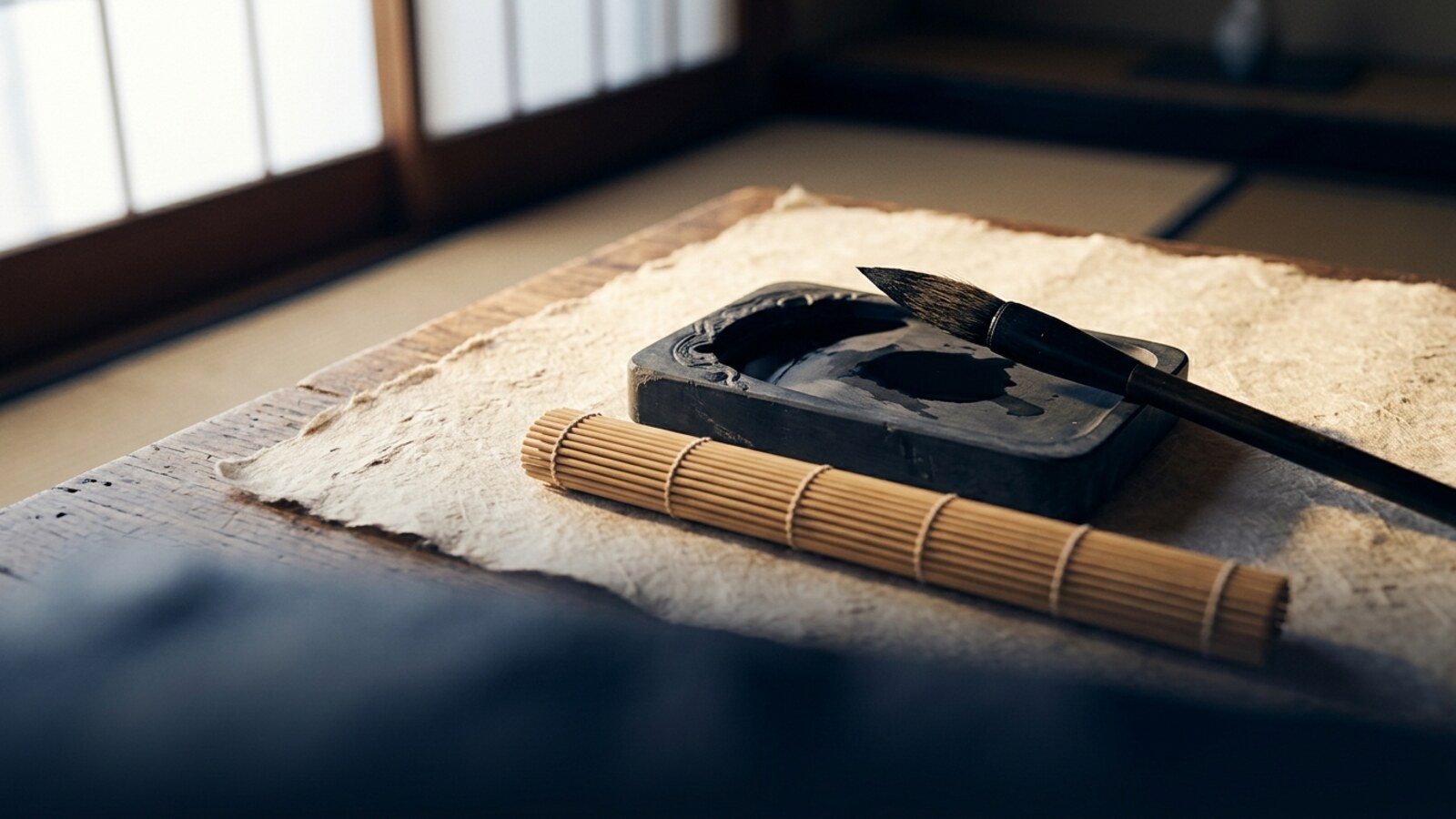
Japanese Pronunciation - Master Japanese Sounds
Learn to pronounce every core Japanese syllable with the basic hiragana chart (gojūon) — each sound with Hepburn romaji, a clear description with an English approximation, a simple example word, and native-speaker audio.
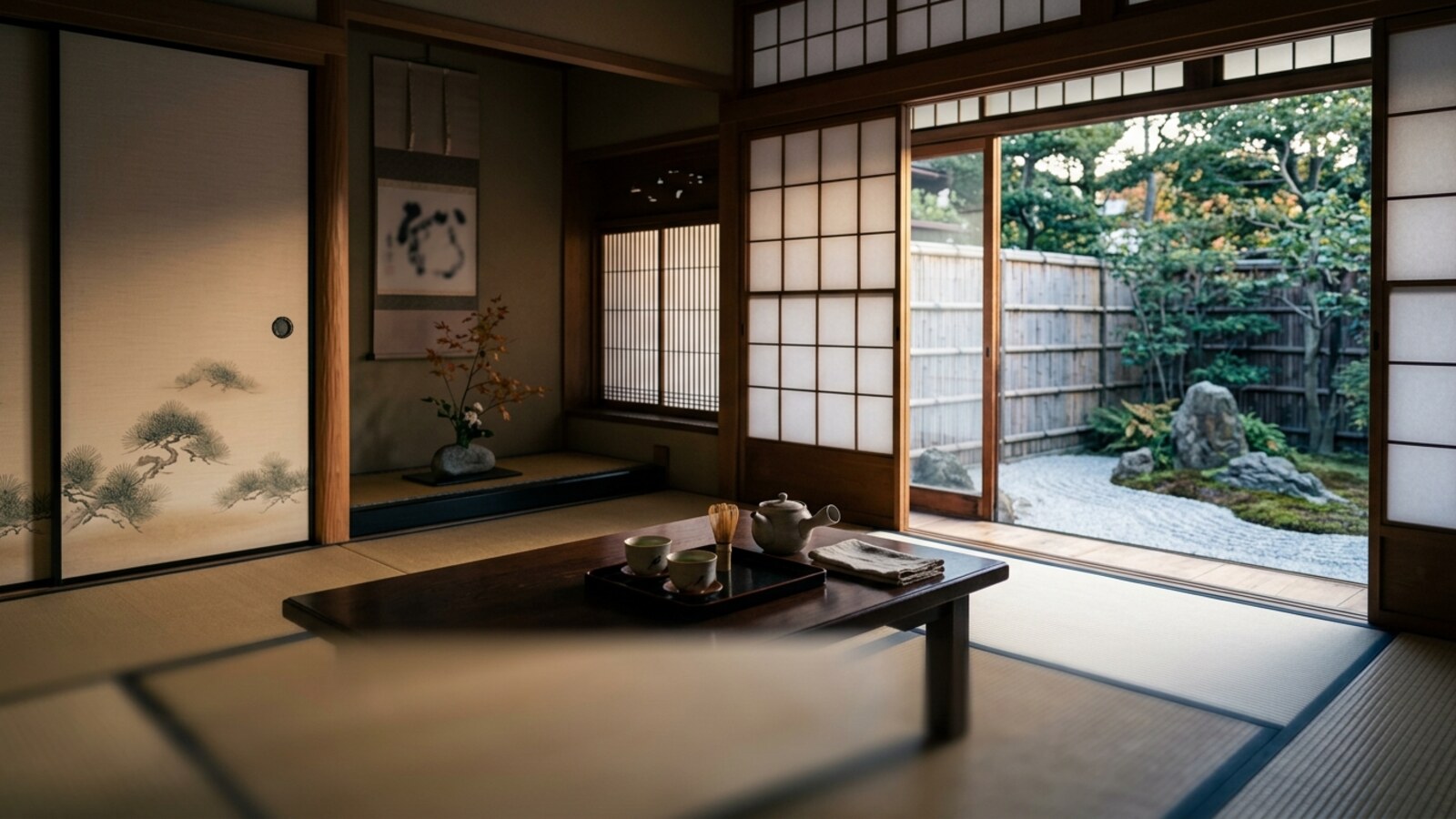
Advanced Japanese - Cultural Integration & Family Conversations
Advanced Japanese for learners settling into life in Japan — humble and honorific kin terms, workplace and business etiquette, the three levels of keigo, everyday cultural expressions, and how to voice feelings and opinions, each with natural Japanese, romaji, an example sentence, and native-speaker audio.
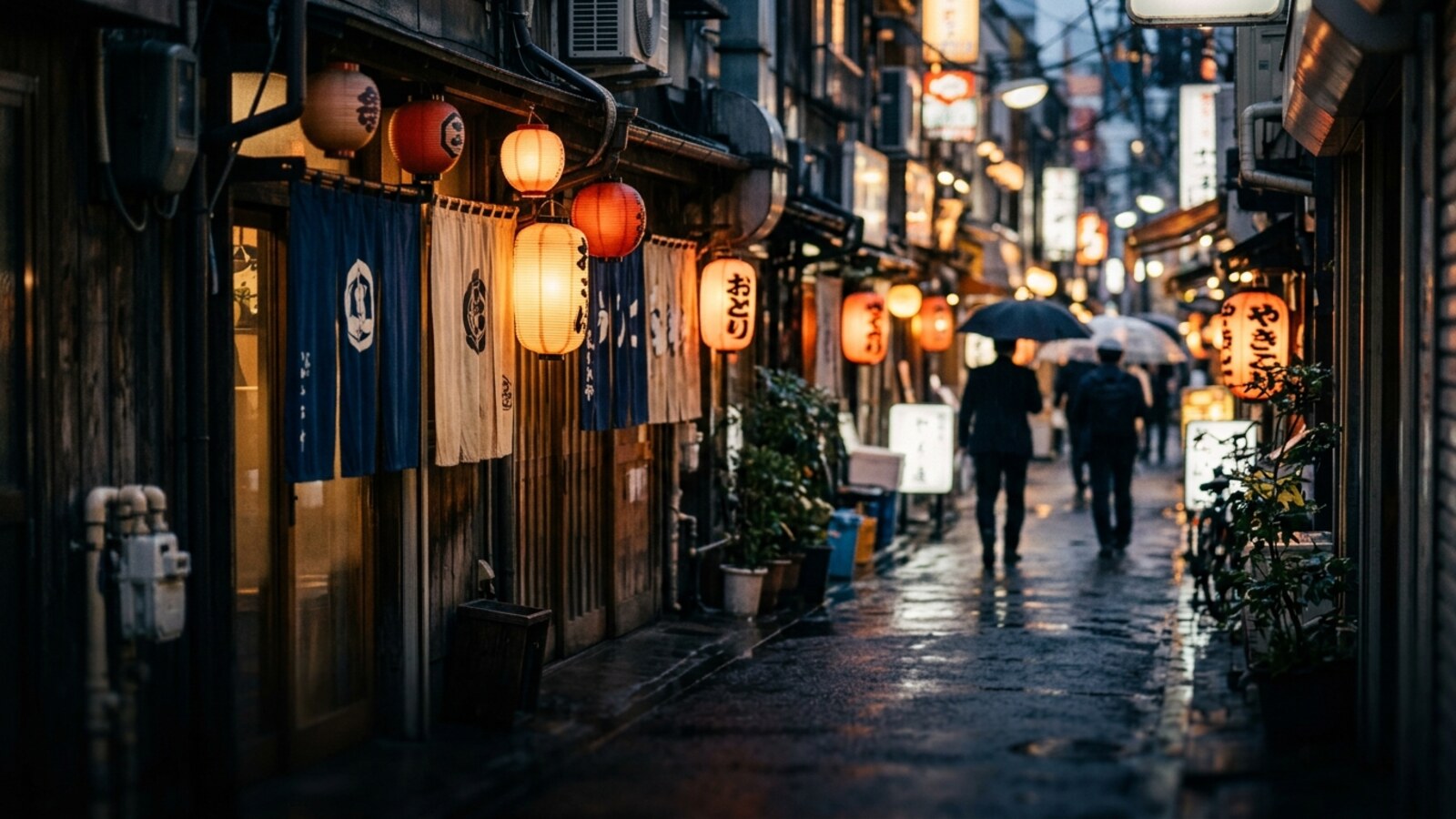
Practical Japanese - Intermediate Conversation Skills
Real conversational Japanese for learners who know the basics — making plans, sharing opinions, ordering at restaurants, shopping, small talk, and getting around — each phrase in natural polite Japanese with romaji, an example, and native-speaker audio.

Japanese Animal Vocabulary for Kids
Fun, kid-friendly Japanese animal words — pets, farm animals, wild animals, and sea creatures and birds — each with simple Japanese, romaji pronunciation, an easy example sentence, and native-speaker audio.
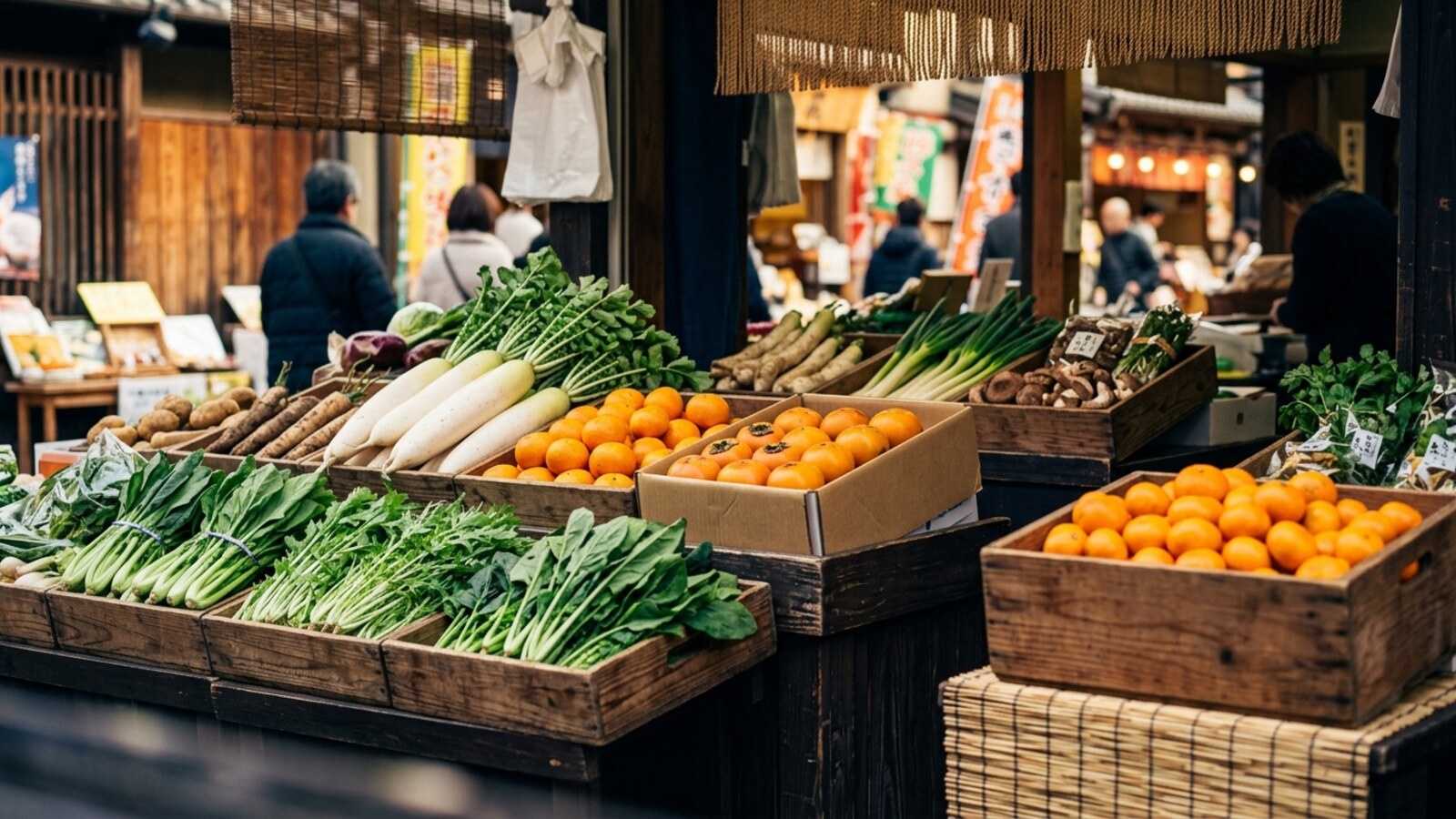
Japanese Food Vocabulary - Fruits and Vegetables
Everyday Japanese food words — common fruits, vegetables, and staple foods — each with natural Japanese script, Hepburn romaji, an example sentence, and native-speaker audio.
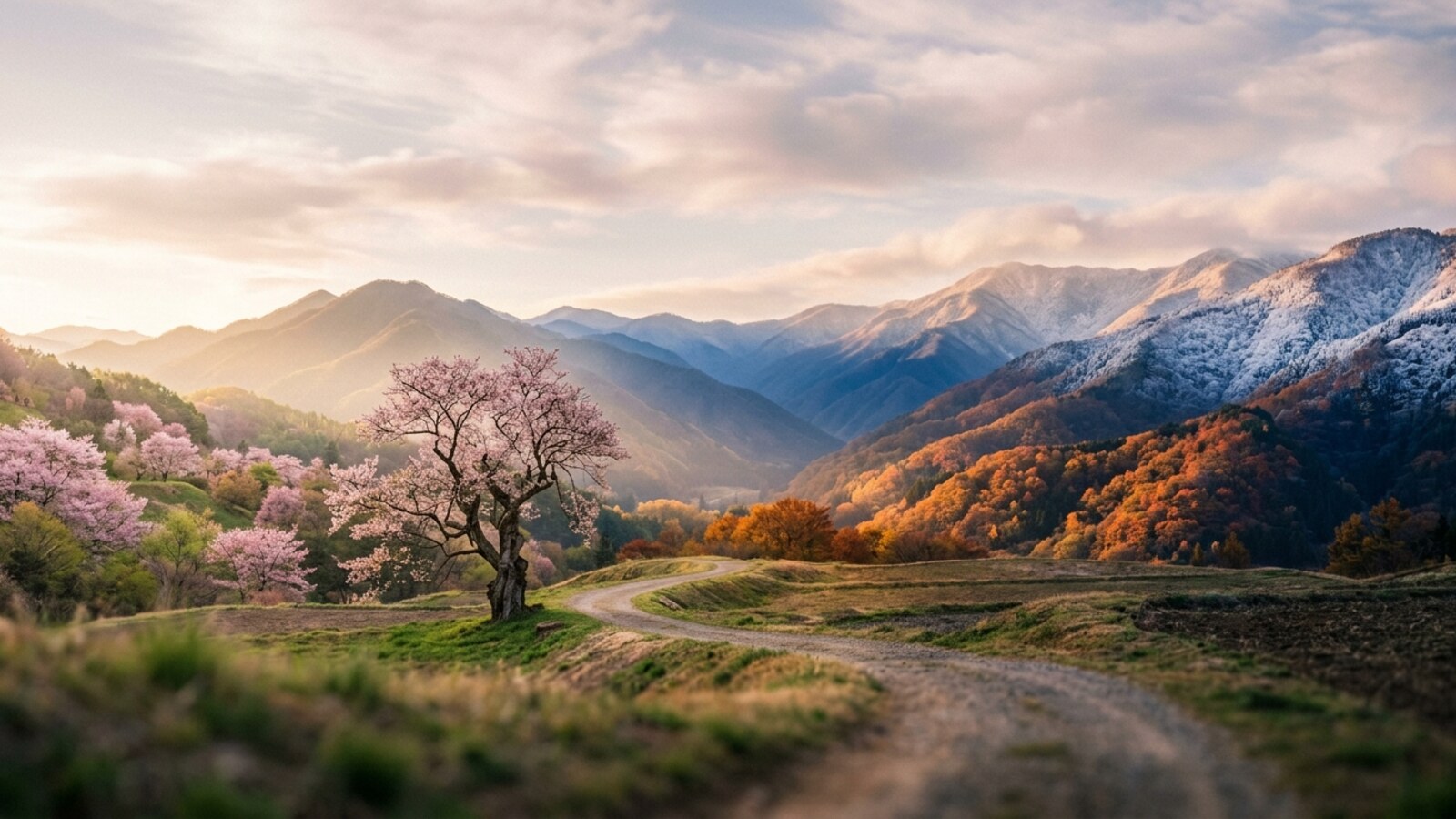
Japanese Weather and Seasons Vocabulary
Japanese weather and seasons vocabulary — the four seasons, everyday weather conditions, and the phrases you need to talk about the weather — each with natural Japanese, romaji pronunciation, a usage example, and native-speaker audio.
Japanese Colors - Basic Color Vocabulary
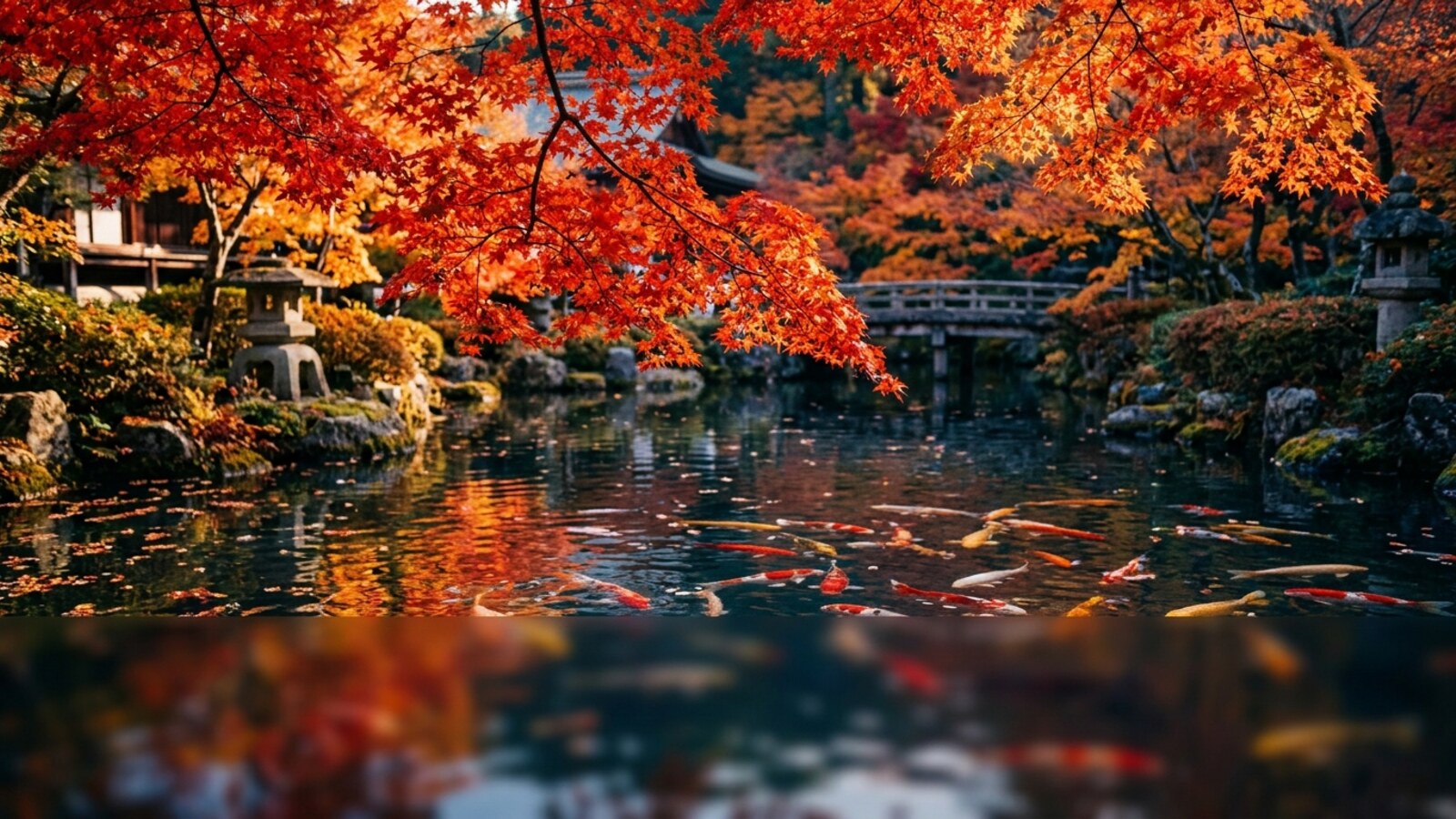
The most useful Japanese color words — red, blue, yellow, green, and more, plus gold, silver, and light-and-dark shade words — each with natural Japanese, romaji pronunciation, an example sentence, and native-speaker audio.
Which Japanese set should you start with?
The decks are organised by why you are learning rather than by level. Start with the row that matches yours.
| You are | Start with | Add next | Why this order |
|---|---|---|---|
| Going on a trip | Essential Japanese Travel Phrases | Japanese Pronunciation | Travel Japanese is a small set of set-piece exchanges that work learned whole, with no grammar underneath. |
| Staying a few months | Practical Japanese | Learn Japanese Fast | Making plans, ordering and small talk need range the travel set does not carry. |
| Living there or working | Advanced Japanese - Cultural Integration | Practical Japanese | Keigo and workplace etiquette are what Japan actually assesses you on, and they are social rules before grammar. |
| Starting from zero | Learn Japanese Fast | Japanese Pronunciation | The high-frequency core gives you the verbs, particles and question words every later set assumes. |
| Teaching a child | Japanese for Kids | Animals, Colors, Food, Weather | Themed sets are short enough to finish, which is what keeps a young learner going. |
| Reading kana but sounding wrong | Japanese Pronunciation | any set above | The full hiragana chart with audio fixes vowel length and rhythm, which is where most accents go wrong. |
Three scripts, and why that matters less than it sounds
Japanese writes with hiragana, katakana and kanji at the same time, which is the fact that scares people off. In practice hiragana and katakana are 46 syllables each, learnable in a week, and they carry the grammar and the loanwords. Kanji is the long project, and it is not in the way of speaking: everything in these decks is given in Japanese script with Hepburn romaji, so you are never blocked on reading.
The pronunciation is kind. Japanese has five clear vowels and a small sound inventory, with few of the consonant clusters that make English hard. What trips learners up is length and rhythm rather than the sounds themselves. Every syllable takes roughly the same time, and a long vowel genuinely is two beats: obasan is an aunt, obāsan is a grandmother.
Grammar puts the verb at the end and marks each noun's role with a particle, so wa, ga, wo and ni do the work that word order does in English. Once that clicks, sentences become rearrangeable rather than fragile. Verbs conjugate, but regularly, with very few exceptions to memorise.
Politeness is the real depth. Japanese has plain, polite and honorific registers, and keigo splits further into humble and respectful forms depending on whether you are talking about yourself or the other person. Nobody needs this on a holiday. Everyone working in Japan needs it, which is why it sits in its own set rather than being sprinkled through the basics.
Why these Japanese flashcards
Native-speaker audio
Hear the correct pronunciation on every card, not just a romanization.
No Anki, no setup
Study right here in your browser or on mobile. Nothing to install or configure.
One plan, every deck
Pro covers every language and subject here and in the iPhone app. Cancel anytime.
Preview the flashcards
A free sample drawn from across the Japanese sets — hear every card with native audio in the full deck.
- こんにちは/ konnichiwa /
- Hello / Good afternoon
- お母さん/ okāsan /
- Mother / Mom
- こんにちは/ konnichiwa /
- Hello / Good afternoon
- あ/ a /
- The 'a' sound, like 'a' in father
- 家族/ kazoku /
- Family
- 今週末、時間がありますか。/ konshūmatsu, jikan ga arimasu ka /
- Do you have time this weekend?
- 犬/ inu /
- Dog
- りんご/ ringo /
- Apple
- 春/ haru /
- Spring
- 赤/ aka /
- Red. Noun form; the -i adjective is 赤い (akai).
- 医者/ isha /
- Doctor
- みかん/ mikan /
- Mandarin orange
Frequently asked questions
Do these Japanese flashcards include audio?
Yes. Every card has native-speaker audio so you hear correct pronunciation, not just a romaji reading.
Do I need to know hiragana or kanji to use these?
No. Cards show the Japanese with a romaji pronunciation and English meaning, so you can start right away and pick up hiragana and kanji as you go.
Do I need Anki or a subscription?
No Anki. The decks and the spaced-repetition study system run in your browser and on mobile. Reading every card is free; study mode with native audio is part of SubjectCards Pro, one plan for every language and subject.
Which Japanese deck should I start with?
Travelers and beginners should start with the Essential Japanese Travel Phrases set — greetings, getting around, ordering food, numbers, and emergencies.
Keep learning Japanese
More free guides and decks to get you speaking.